
Christmas at the 24-Hour Vets: Top 10 Emergencies Across the UK (And How to Avoid Them)
Christmas is one of the busiest and most challenging times of year for emergency veterinary teams. Changes in routine, festive food, visitors, noise and disruption all combine to create a predictable spike in serious pet emergencies.
After the festive period, we reviewed and analysed the cases seen across our six 24-hour emergency clinics to understand exactly what pets were presenting with, and why. What we found was striking not just in how consistent the patterns were, but in how many of these emergencies were entirely preventable.
Below are the 10 most common emergencies we treated over Christmas, based on real case numbers. Our hope in sharing this is simple: to help pet owners recognise risk early, act sooner when needed, and avoid many of these problems in the future.
1. Mince Pie Ingestion
The real danger in mince pies is raisins and currants. Even tiny amounts can cause acute, potentially fatal kidney failure in dogs. Crucially, grape and raisin toxicity is not reliably dose-dependent meaning we cannot predict which dog will be affected or how severely.
This is why our advice is simple and absolute: No raisins. No grapes. Ever.
If ingestion is suspected, urgent veterinary assessment is essential even if your dog seems completely normal.
2. Chocolate Ingestion
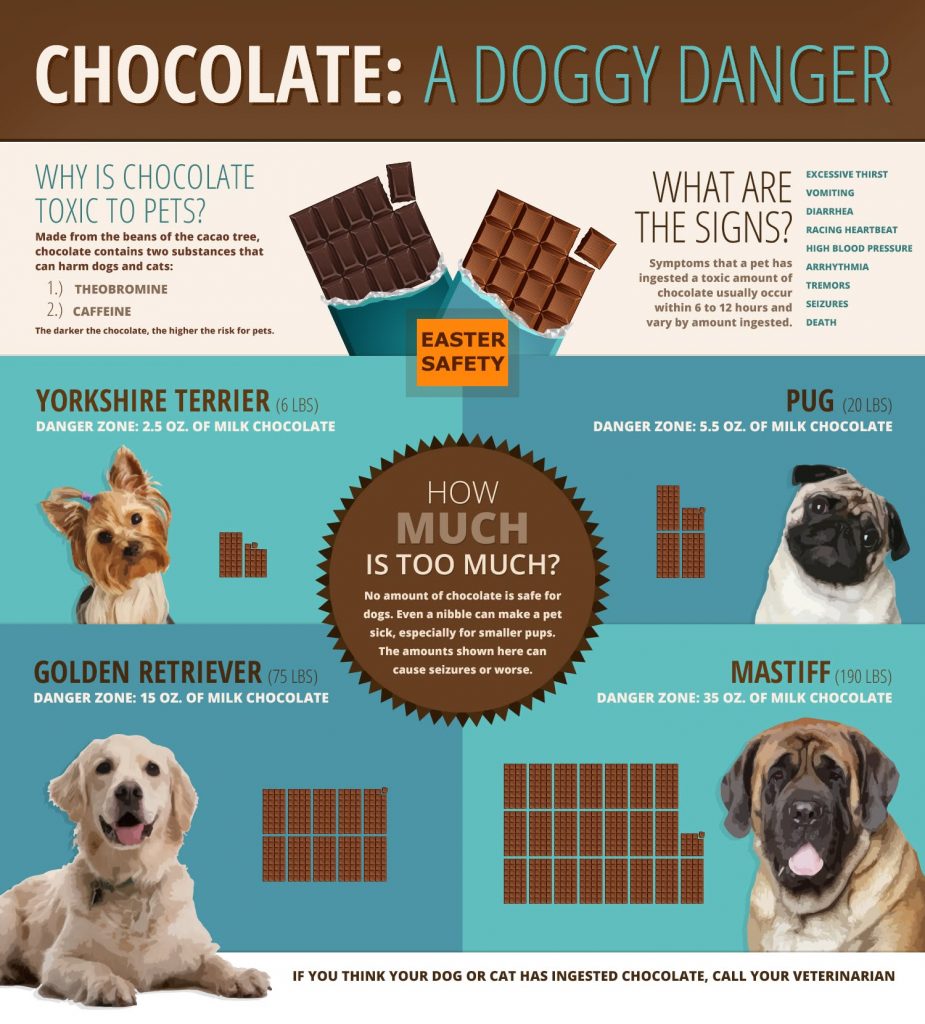
Chocolate exposure is a Christmas classic and something we also see spike again at Easter.
Dogs are far more sensitive than humans to the stimulant effects of chocolate (theobromine and caffeine). Toxicity is dose-dependent, but symptoms can be severe and may include vomiting, tremors, abnormal heart rhythms, seizures and death.
If you’re worried:
- Note what type of chocolate (dark, milk, white)
- Estimate how much was eaten
- Contact your vet immediately
Please see chart for other festive treats that are toxic to pets. Early intervention makes a huge difference.
3. Foreign Body Ingestion (Tinsel, String & Festive Objects)
Tinsel, ribbon, string, wrapping paper, toy parts and food waste are all common festive hazards.
Of particular concern are linear foreign bodies (string, tinsel, ribbon). These can anchor in the stomach and effectively saw through large sections of intestine, leading to:
- Blockages
- Tissue death
- Perforation
- Life-threatening infection
This is why vets take these cases extremely seriously. Delays can be fatal, and surgery is often required.
4. Breathing Difficulties
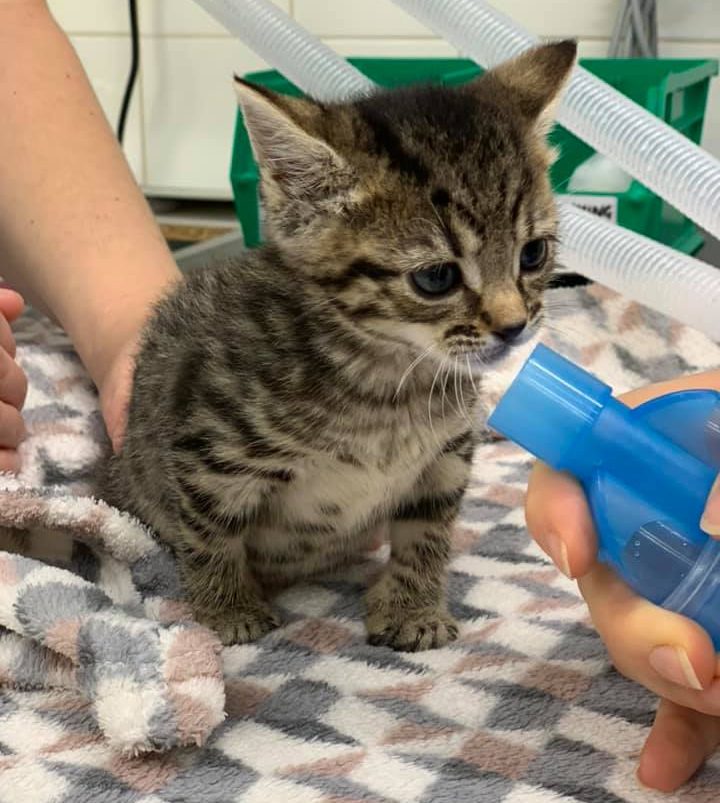
Breathing problems are always an immediate emergency.
Common causes we see over Christmas include:
- Airway obstruction or aspiration
- Heart disease
- Pneumonia
- Severe allergic reactions
- Chest trauma
A small but important side note: lungworm can also contribute to respiratory signs, so keeping lungworm prevention up to date is essential.
If your pet is breathing fast, struggling, open-mouth breathing, or distressed, do not wait.
5. Pancreatitis (Scraps & Sudden Diet Changes)
Rich food, fatty leftovers and repeated “just a little bit” treats are a major trigger.
Pancreatitis is:
- Extremely painful
- Often delayed (24–72 hours after indulgence)
- Potentially life-threatening
The best prevention is consistency: stick to the same diet throughout the festive period and avoid scraps altogether.
6. Gastric Dilatation and Volvulus (GDV / Bloat)
GDV is a true surgical emergency, most commonly affecting large and deep-chested breeds.
The stomach fills with gas, twists, cuts off its own blood supply and rapidly leads to shock. Without urgent surgery, GDV is fatal.
a Bernese Mountain Dog who was brought to us after his owners noticed he was becoming seriously unwell. The X-ray shows a GDV (Gastric Dilatation and Volvulus), where the stomach becomes dangerously enlarged with gas and twists on itself, blocking the normal passage in and out of the stomach. This is a life-threatening emergency.
Rancho was taken straight into emergency surgery for a suspected GDV (Gastric Dilatation and Volvulus). Following extensive surgery, Rancho recovered well and was able to return home, where he continues his recovery.
7. Seizures
We see seizures triggered by:
- Toxins
- Dietary indiscretion
- Missed medication
- Underlying neurological disease
A first-ever seizure, prolonged seizure, or cluster of seizures should always be treated as an emergency.
8. Trauma (Dog–Cat Fights & Road Traffic Accidents)
Disrupted routines, visitors, open doors and increased noise all raise the risk of trauma over the festive period.
Cats in particular can be affected by the stress of new people in the house and may be more likely to wander or leave home. Fireworks can also cause panic, leading to escape attempts, road traffic accidents or fights with other animals.
Although winter is usually a quieter time of year for trauma and road traffic accidents, these cases still featured in our top 10 Christmas emergencies.
If trauma or a fight is suspected, a veterinary check is strongly recommended. There is not only a risk of internal injuries, which may not be immediately obvious, but also a significant risk of infection especially with bite wounds, which are almost always infected.
 9. Toxin Exposure
Christmas exposes pets to a wide range of toxins, including:
- Human medications
- Antifreeze (the taste is attractive to pets and ingestion can be fatal)
- Festive plants
- Pest control products (e.g. rat bait)
If ingestion is suspected, do not wait for symptoms early treatment can be life-saving.
10. Tachypnoea (Rapid Breathing)
Rapid breathing is really a breathing emergency category, rather than a diagnosis in itself.
It can indicate:
- Pain
- Stress
- Heart disease
- Lung disease
- Internal illness
If your pet’s breathing rate is clearly higher than normal at rest, urgent assessment is required.
Why Festive Emergencies Escalate So Quickly
Christmas emergencies often worsen because:
- Pets hide pain extremely well
- Symptoms often start subtly
- Owners understandably hope things will improve and try to delay until after the break
- Normal routines are disrupted
In reality, early veterinary assessment saves lives, reduces suffering and often lowers overall costs.
This is why our 24-hour clinics are staffed with fully awake, ready emergency teams, able to assess and act immediately – day or night, throughout the holiday season.
Practical Ways to Reduce the Risk (Without Spoiling Christmas)
Many of the emergencies we see are avoidable, which is always the ideal outcome. A few simple steps can significantly reduce the risk of a festive vet visit:
- Lock away chocolate, mince pies and dried fruit not just “out of reach”
- Treat grapes and raisins as toxic substances
- Secure bins and food waste immediately
- Avoid scraps and fatty foods completely especially in pets prone to gastrointestinal upsets or pancreatitis
- Keep tinsel, ribbon and string well away from pets
- Maintain normal feeding routines
- Supervise pets during guest arrivals and departures
- Keep parasite prevention (including lungworm) up to date it’s surprising how many flea outbreaks we see around Christmas
- Minimise stress and allow pets their own space; stress can trigger cystitis or colitis in susceptible pets
We’ll also be publishing a similar breakdown for Easter, to help avoid many of the same problems then.
 When to Seek Emergency Help
If something doesn’t feel right, trust your instincts. The following should always be treated as emergencies:
- Breathing problems
- Seizures
- Collapse
- Repeated vomiting
- Known toxin ingestion
- Sudden behaviour changes
Our clinics provide a clear, affordable £99 emergency consultation, offering rapid assessment and honest advice on the next steps whether that’s urgent treatment or reassurance.